

Many people are not fully aware of the extent to which charitable organizations shape everyday life in our communities.
From social services to education, healthcare, and the arts, nonprofits touch nearly every aspect of quality of life. Americans give hundreds of billions of dollars to charity each year, supporting roughly 1.9 million organizations nationwide. These organizations often become even more essential during periods of economic uncertainty, when demand for services tends to rise just as resources can feel more constrained.
That dynamic is especially relevant as many are watching the markets closely this spring. Even the possibility of a downturn can influence financial decisions, including charitable giving. It is natural to feel more cautious. At the same time, history shows that community needs often increase during challenging economic periods—making it all the more important to stay engaged in philanthropy.
As you think about your charitable giving this year, this may be a good moment to step back and consider not only where you give, but also how you structure your giving for long-term impact. In particular, it is important for donors and fund holders to consider expanding their portfolio of giving to include giving to the Community Foundation itself. This can take several forms, each of which plays a meaningful role.
Unrestricted giving
Some donors choose to support the Community Foundation’s grantmaking and initiatives across generations. This type of support helps ensure that the foundation can continue serving as a trusted resource—connecting donors to causes, responding to emerging needs, and stewarding charitable funds with care and expertise well into the future. It is an investment not only in today’s giving, but also in the long-term strength of the philanthropic infrastructure in our community.
Support for existing funds
Other donors focus on increasing the Community Foundation’s grantmaking resources so that more money can flow from the Community Foundation to nonprofits that are helping those in need, especially when times are tough. Contributions to unrestricted or broadly focused funds allow the foundation’s program team to respond quickly and thoughtfully to the most pressing challenges facing our region. During periods of economic strain, this flexibility can be especially powerful, enabling support to reach the people and organizations that need it most, at the moment it matters most.
A hybrid approach
In many cases, donors adopt a dual strategy—continuing to support favorite organizations directly or through the Community Foundation’s grant programs while also allocating a portion of their giving to the Community Foundation itself or by establishing a new fund of your own. This approach can help balance personal philanthropic interests with broader community impact, creating a more resilient and adaptable giving strategy.
The Community Foundation’s unique role is what makes any or all of these approaches so effective. As a perpetual institution governed by a local board of directors, Berks County Community Foundation is designed to serve the community not just today, but across generations. Our team maintains deep knowledge of local needs, works closely with nonprofit partners, and is positioned to deploy resources where they can do the greatest good over time.
Especially in moments when the future feels uncertain, expanding your portfolio of giving in this way can provide an added layer of confidence. You can continue supporting the causes you care about while also strengthening the Community Foundation’s ability to lead, respond, and make a difference—now and in the years ahead.
We are honored to work alongside you as you consider how your philanthropy can support both immediate needs and lasting impact for our entire community.
Most of us can think of something we fully intend to do—someday. Organize the photos. Update the estate plan. Schedule the family meeting. Reboot the exercise routine. Charitable planning often falls into that same category.
We hear from many generous people who care deeply about their community and fully intend to “do more” with their philanthropy. But life is busy. The calendar fills up. Markets fluctuate. Family and business priorities shift. It can feel easier to wait for the perfect moment—when things feel calmer, clearer, or more certain.
If that sounds familiar, you are not alone. And it is not a sign of indifference. More often, it reflects uncertainty.
You may wonder:
- –Am I giving to the right organizations?
- –Am I committing too much too soon?
- –What if my priorities change?
- –What if I want to involve my children later?
When every decision feels permanent, it is natural to pause. The Community Foundation can help you shift gears from intention to action. Here are three principles that guide our work with donors in this situation:
Take it one step at a time.
One of the most helpful mental shifts is to think of charitable planning as a multi-step process rather than a single, all-or-nothing decision. In many cases, a tax planning need takes precedence because of concrete deadlines and tax year considerations. Our team understands!
Keep it simple.
Sometimes the hardest part of giving is not generosity—it is decision fatigue. You might be asking yourself, “Where should I give?” Often, that’s not the best question to ask right out of the gate, especially if you are new to philanthropy. The team at the Community Foundation can help you work through key threshold questions including:
- –As I look back on my charitable giving, what areas of focus seem to jump out?
- –What specific charities have I supported over the years?
- –Why have I supported those charities?
- –Is there anything about my areas of focus that I’d like to change going forward?
As we explore these questions together, our team can provide research on local nonprofits, share insights about community needs, and facilitate family conversations about values and priorities.
Adopt long-term thinking.
Community change does not happen overnight. You may find that your charitable intentions include not only providing annual support to favorite charities but also making a meaningful difference over many years or even many decades that extend well beyond your lifetime.
The team at the Community Foundation can help you structure not only a donor-advised fund to help organize your annual giving, but also other types of funds and a legacy plan. Some families, for example, establish a field-of-interest fund to support a particular cause with built-in flexibility as community needs change. Similarly, a designated fund can provide long-term support to specific organizations, and an unrestricted fund allows you to leverage the Community Foundation’s deep expertise and perpetual structure to address emerging community priorities for generations to come. You can name one or more of these funds as a beneficiary in your estate plan, whether through a gift in your will or trust or through a beneficiary designation on an IRA.
The bottom line is that the Community Foundation is here for you along your entire charitable giving journey. We’ll work together to build and implement your philanthropy plan brick by brick over the years to come, involving your tax advisors and family members at key junctures and always ensuring that your charitable intentions—even as they evolve over time—are fulfilled.
At Berks County Community Foundation, we know that charitable giving is deeply personal—and that choosing the right tools matters just as much as choosing the causes you care about.
Whether you are considering establishing your first fund with the Community Foundation or considering adding another fund to complement the ones you already have, it can be helpful to step back and look at how different options support different goals.
Designated Fund
Perhaps you are instead (or also) focused on making a lasting impact on a single organization that has played an important role in your life. In that case, a designated fund may be the right addition to your charitable portfolio. A designated fund provides ongoing, predictable support to a specific nonprofit—either through regular distributions or grants made as needed. Because the Community Foundation provides stewardship of the fund’s assets, a designated fund offers stability and continuity for the organization it benefits. This type of fund can be especially helpful if you want to “bunch” multiple years of giving into a single year for tax purposes while ensuring continued support for a favorite charity over time. Plus, if you are age 70 ½ or older, a designated fund can receive Qualified Charitable Distributions from your IRA.
Example Fund: South Mountain YMCA Neag Endowment for Camper Financial Assistance
Unrestricted Fund
Some donors are drawn to a different approach: addressing the community’s most pressing needs, both now and in the future, while relying on professional insight to guide that work. For these donors, an unrestricted fund offers powerful flexibility. Unrestricted funds allow the Community Foundation to direct resources where they are needed most as circumstances change—whether that means responding to a crisis, supporting emerging opportunities, or addressing long-term challenges. These funds play a critical role in the community’s ability to adapt and thrive, and they create a legacy of giving that remains relevant for generations.
Example Fund: Hawley and Myrtle Quier Fund
Field-of-Interest Fund
A field-of-interest is similar to an unrestricted fund, except that you can name a specific area of need, such as the arts, education, or emergency assistance, to receive support from the fund.
Example Fund: Cystic Fibrosis Fund of Berks County
Visit our Areas of Focus page to learn more about our specific areas of need.
Donor Advised Fund
Donor advised funds make it simple to support a wide range of nonprofits while maintaining a clear, organized approach to philanthropy. With a donor advised fund, you can make contributions of cash, stock, or other property at your convenience, and these gifts are eligible for a charitable tax deduction in the year of the gift. Separately, the donor advised fund allows you to recommend grants to your favorite IRS-qualified charities over time.
Adopt a portfolio approach
Many donors choose to establish more than one type of fund over time, building a thoughtful and diversified approach to philanthropy that reflects both their values and their evolving priorities.
Wherever you are on your charitable giving journey, the Community Foundation is here to help. It is our privilege to partner with you, provide guidance, and support your generosity in ways that strengthen the community we all care about. Please reach out anytime—we would love to talk with you.
Many people approach a new year with a genuine desire to be more intentional about their charitable giving.
They know they want to make a difference, align their generosity with their values, and perhaps even involve their families—but they are often unsure where to begin. The combination of busy lives, changing tax laws, and an ever-growing number of worthy causes can make getting started feel overwhelming. The good news is that taking a few simple, thoughtful actions at the beginning of the year can bring clarity and confidence to your giving.
Here are three first steps to inspire you:
- Consider reviewing your 2025 charitable contributions with the team at the Community Foundation. Looking back at last year’s giving can be surprisingly helpful, especially when guided by professionals who understand both philanthropy and the local community. The Community Foundation can help you see the real-world impact of your gifts, identify patterns in your giving, and highlight opportunities you may not have considered. This review also creates a natural bridge to planning your 2026 support, whether that means refining your focus, adjusting gift amounts, or exploring new charitable vehicles. Just as important, it allows you to begin thinking strategically about future years, helping ensure that your generosity grows in a way that is both meaningful and sustainable.
- Talk with your tax advisors as soon as possible about whether and how the new tax laws might impact your situation. Charitable giving is closely connected to tax and estate planning, and early conversations can help you make informed decisions before the year gets too far along. This is also an ideal time to revisit your estate plan and beneficiary designations. Many donors choose to include a gift to their fund at the Community Foundation in their wills, trusts, or beneficiary designations on retirement accounts or life insurance policies, creating a lasting legacy that reflects their values. Coordinating these updates with your tax advisor and the foundation can ensure your charitable intentions are clearly documented, tax-efficient, and aligned with your overall financial and estate planning goals.
- Set goals for your charitable involvement in 2026. Rather than giving reactively, goal setting allows you to be proactive and intentional about how you engage with the causes you care about. Berks County Community Foundation can help you explore new and emerging charities, learn more about pressing needs in the community, and connect with organizations that align with your interests. Together, you and our team can create a plan for timing gifts throughout the year, whether through recurring contributions, single large gifts early in the year to help a favorite charity leap ahead, or strategic gifts of highly appreciated or complex assets. This approach not only makes giving more manageable but also helps ensure your generosity has the greatest possible impact.
As you look ahead, remember that you do not have to navigate charitable planning on your own. The Community Foundation is here to serve as a trusted partner—whether you are just getting started, refining an existing plan, or thinking about the legacy you want to leave for future generations. We invite you to reach out anytime to ask questions, explore ideas, or take the next step in your giving journey. We are honored to help you turn your charitable intentions into meaningful, lasting impact.
Please reach out to Molly McCullough Robbins, Vice President for Philanthropic Services, by calling 610-685-2223 or emailing mollyr@bccf.org.
At Berks County Community Foundation, we are honored to work with you and so many other families, individuals, and businesses to help organize your charitable giving and support favorite charities that make a difference in our community.
As the year winds down, here are 10 giving tips to keep in mind:
- Remember that 2025 is a pivotal year for charitable planning. With more stringent charitable deduction limitations taking effect in 2026 under new tax laws, this year may offer a favorable tax environment for your giving depending on your personal situation. Talk with your tax advisors as soon as possible.
- Work with your tax advisors to evaluate the benefits of “bunching” multiple years of charitable gifts into 2025. By front-loading contributions, you may be able to exceed the standard deduction this year and maximize your tax benefits.
- Use a donor-advised fund to simplify year-end giving. You can make one tax-deductible contribution now, receive the deduction in 2025, and recommend grants to nonprofits over time, throughout 2026 and beyond.
- Give appreciated stock instead of cash. Donating long-term appreciated securities may eliminate capital gains tax and in turn increase your charitable impact. Talk with our team and your tax advisors as soon as possible so these gifts can be processed well before the end of the year.
- Explore giving from your IRA if you’re 70½ or older. A Qualified Charitable Distribution (QCD) can reduce taxable income and, if applicable, satisfy required minimum distributions—to the tune of $108,000 per taxpayer in 2025. IRS rules allow you to make QCDs to a wide variety of funds at the Community Foundation (but not to your donor-advised fund).
- Check to see whether you’ve met your charitable goals for 2025. Don’t wait until late December to review your plan. Our team can help you think through options for this year and begin to coordinate more complex gifts for next year.
- Support the community overall by making gifts to existing funds at Berks County Community Foundation. 2025 has been a tough year for many people in our community, and our team can help you support families in crisis both now and in the future.
- Review your beneficiary designations. Naming your fund as a beneficiary of an IRA or other retirement account can create meaningful future gifts while reducing the tax burden on heirs.
- Avoid last-minute surprises. Gifts of complex assets—such as real estate or closely-held stock—require additional steps and a lot of lead time, so contact us early if you’re considering these options. Even if it is too late to complete these gifts in 2025, start working with our team on options for 2026 gifts.
- Above all, lean on the team at the Community Foundation! We are here to help you explore the most tax-efficient ways to meet your charitable goals, whether you’re planning year-end gifts, updating a legacy plan, or thinking ahead to the changes coming in 2026.
Thank you for the opportunity to work with you. We look forward to supporting your charitable goals this year and for many years to come.
This solicitation is valid only for residents of the Commonwealth of Pennsylvania.
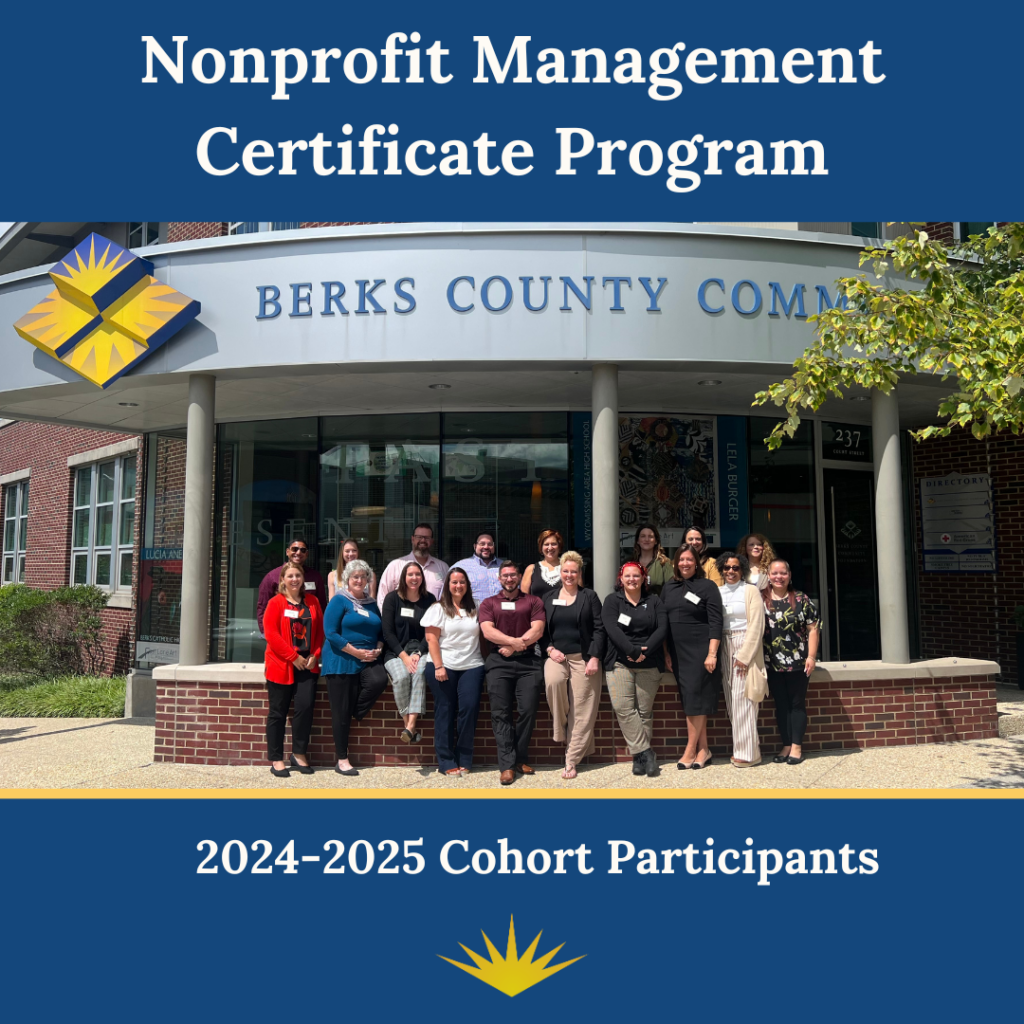
READING, PA (September 11, 2024) – The 20 members of the 2024-25 cohort for Berks County Community Foundation’s Nonprofit Management Certificate program have been selected. The executive directors and high-potential staff members begin the professional development program at the Community Foundation’s headquarters in Reading on September 18th.
Monica Reyes, Vice President for Programs and Initiatives at the Community Foundation, explained, “The certificate program is designed to enhance or refresh the management and leadership skills of local nonprofit leaders right here in the community. It offers expert instruction from faculty at The Nonprofit Center at LaSalle University, combined with valuable peer learning opportunities, allowing cohort members to connect and learn from one another.”
The 2024-2025 class members:
- Laura Biancone, Interim Executive Director, LGBTQ Center of Reading
- Stacey Cole, Chief Development Officer, Animal Rescue League of Berks County
- Laura Cordero, Community Builder and Initiative Coordinator, Centro Hispano Daniel Torres
- Tish Davis, Executive Director, Berks Arts
- Violet Emory, Executive Director, Berks Latino Workforce Development Corporation
- Amy Folk, Compliance Manager, Mary’s Shelter
- Amanda Ford, Executive Director, Twin Valley Community Education Foundation
- Jessica Heil, Senior Director, Marketing and Digital Engagement, United Way of Berks County
- Ashley Houston, Director of Collections & Exhibitions, Foundation for the Reading Public Museum
- Mary Marks, Co-Director, Hannah’s Hope Ministries
- Brandon Marth, Regional Philanthropy Officer, American Red Cross
- Ashleigh Mills, Care Manager, Berks Encore
- Benjamin Neely, Executive Director, Berks History Center
- Rick Perez, CEO, Olivet Boys & Girls Club of Reading & Berks County
- Lily Ponce, Executive Assistant, Literacy Council of Reading-Berks
- Denise Pulgino Stout, Executive Director, Boyertown Community Library
- Thomas Scornavacci, President/Pastor, Common Ground Recovery Ministries (Trinity Lutheran Church) & Common Ground Recovery Community
- Anthony Tucci, Executive Director, Western Berks Ambulance
- Ralia Vardaxis, Executive Director, Reading Science Center
- David Whitehill, Executive Director, Reading Symphony Orchestra
The program
The program includes group lunches, nonprofit management webinars, and daylong in-person nonprofit management classes led by faculty members from The Nonprofit Center at LaSalle University.
The Community Foundation covers much of the cost of the program; however, each nonprofit contributes $500 for each participant.
This professional development opportunity was designed exclusively for Berks County’s nonprofit executive directors and high-potential staff members. Note that Berks County Community Foundation is not an accredited educational institution, but rather a nonprofit that seeks to bring professional development opportunities to the community for local leaders.
###
Berks County Community Foundation is a nonprofit corporation that serves as a civic leader for our region by developing, managing, and distributing charitable funds aimed at improving the quality of life in Berks County. More information is available at www.bccf.org.
Media Contact: Erica Caceres, Communication Manager, Phone: 610-685-2231, Email address: ericac@bccf.org
Providing opportunities for nonprofit organizations to thrive is a big part of what we do at Berks County Community Foundation. One great example is the Nonprofit Management Certificate Program that the Foundation hosts in partnership with The Nonprofit Center at LaSalle University. This fall, join the Community Foundation and instructors from The Nonprofit Center at LaSalle University for a ten-month professional development opportunity designed exclusively for Berks County’s nonprofit executive directors and high-potential staff members who are serving in full-time, paid positions.
The program includes:
- Three group lunches at the Community Foundation.
- Six day-long in-person nonprofit management classes led by faculty members from The Nonprofit Center at LaSalle, all held at the Community Foundation’s office in Reading, breakfast and lunch provided.
- Three nonprofit management webinars led by faculty members from The Nonprofit Center at LaSalle, joined from your home or office.
This will be the third cohort of nonprofit executives to experience this program, which runs every other year.
Molly McCullough Robbins, Berks County Community Foundation’s Vice President for Philanthropic Services, was a member of the 2020 cohort while serving as Executive Director of Wyomissing Area Education Foundation. “Participating in this cohort was incredibly beneficial for me as a nonprofit leader. Not only did I learn valuable skills and best practices for the field, but I made connections with other nonprofit professionals in our community that I value to this day,” Molly said.
Applicants must be employed by a 501(c)(3) nonprofit organization in Berks County, Pennsylvania. The cohort is limited to 20 participants.
To receive the certificate at the end of the program, attendance of all nine classes is required.
Applications are open now, and the deadline to apply is July 22, 2024. Decisions will be made by August 9, 2024. The cost of the program is $500; scholarships or grants toward the cost are not available. Payments are due by August 30, 2024. Please click here for the full schedule.
*Note that Berks County Community Foundation is not an accredited educational institution, but rather a nonprofit that seeks to bring professional development opportunities to the community for local leaders.
Here is a summary of the curriculum for this professional development opportunity: Unless otherwise noted, these sessions will be in-person and 6 hours in length (9am-4pm).
Building the Board Your Organization Needs (bring a board member session)
If a board can make or break a nonprofit, what makes or breaks a nonprofit board? There are countless tales of triumph and terror on the topic of nonprofit boards and board members. With surprisingly few legal guidelines to follow, boards can look, feel, and function very differently from one another, even when they have the same assumed purpose. This class aims to explore what your nonprofit board’s role must be, what your board’s goals could be, and what it means for board members to be effective, both collectively and individually. Whether you are a long serving, aspiring, new, or simply curious board member, this course will give you a contextual view of nonprofit boards, governance, and a fresh look through an equity lens at the balance of power between boards, executive leadership, and the people and communities they impact.
Communication to Build Relationships, Engagement & Understanding
Communication is one of the most essential skills for individuals at every level of an
organization, from entry-level through senior management. As we learn to communicate more effectively, we create and maintain a more open and productive work environment. Effective communication can help enhance engagement, foster understanding, and build constructive relationships with co-workers, donors, volunteers, board members, and
supervisors/supervisees. This class will expand your understanding of communication and teach you how to put this knowledge into practice. You’ll learn about different communication styles and how you can communicate and work more effectively with others, including those who have different approaches to communication, are from a different generation, or are resistant to change/new ideas. We’ll also provide a framework for how to engage in difficult conversations to address challenges and pursue opportunities to improve your outcomes.
Effective Strategic Planning for Today’s Nonprofits (bring a board member session)
How does a nonprofit plan effectively during changing and uncertain times? In this class, you will learn modern approaches to strategic planning that will strengthen your nonprofit’s ability to pursue its mission in rapidly changing conditions. We’ll explore techniques for assessing your environment, gaining clarity on changing community needs, and developing strategies that can be adapted to meet new opportunities or challenges over time. This class will show you how to build a plan that will drive strategic thinking across your organization, helping your plan to stand up to unexpected changes both inside and outside your organization.
Fundamentals of Human Resources
Too few nonprofits have a dedicated human resource professional on staff. Yet, the minute you have a staff member, or are even thinking of hiring your first staff member, it is imperative that someone in the organization understands the essential human resource responsibilities, regulations, and laws. Because workplace laws guide and control much of what we must do with employees, this class covers the major workplace laws and the legal principles that govern the employment relationship. It will explore the importance of good policies and procedures in creating an effective working environment and introduce some of the most common and challenging HR responsibilities: the performance management cycle; development and management of compensation strategies; and effective guidelines for hiring the right people.
Understanding and Growing Leadership Capacity (online session, 9am-3pm)
Effective leadership doesn’t happen by chance or accident; it comes from thoughtfulness, intention, effort, and more. It is a journey, not a destination. Nor is it manifested in one form or in one personal style – it’s present in many. Leadership starts with the personal. Everyone loves to talk about their own or someone else’s “leadership style,” but the reality is if you have just one way to demonstrate leadership you will never be an effective leader. Effective leaders have a toolbox filled with styles and strategies for success. This class will take you through a series of reflective exercises to help you understand what leadership is—and what it is not—and where you see yourself as a leader—or not. Leadership is also a culture, and an abundant resource! This class will provide a tour of different approaches to leadership to help you identify the tools your organization needs to empower
leadership, at every level.
Basic Budgeting and Beyond (session is 3 hours, 9am-12pm)
Do you struggle to prepare your annual budget, lack 100% confidence in it when submitting it to the board, consistently approve it after the fiscal year begins and regularly have actual-to-budget results that you didn’t anticipate? Then this class is for you and your team. Budgeting is a complex, dynamic process that takes a team to effectively prepare, present and perform to. In this class you will learn the seven things you should do to create an annual budget and how to successfully fulfill its promise. From planning a process to presenting your budget, you’ll have it covered after attending Basic Budgeting and Beyond.
Financial Forecasting: Informed By the Past; Built for the Future (session is 3 hours, 1pm-4pm)
A strong financial management process is essential to a nonprofit’s well-being. In times of
concern and uncertainty about the economy and the prospects for funding, the ability to perform accurate and timely financial forecasting becomes indispensable. Day to day challenges, such as gift restrictions, adherence to mission, fixed and variable expenses, call for the skill to accurately forecast cash flow, while being adaptable to changing conditions. The result is a stronger and more resilient organization. This class will explore the basic inputs required to develop and evaluate financial projections for your organization. Understanding how and when resources are available to your organization will not only enable you to guide policy and programmatic decisions but also assist you in strategically planning your organization’s growth and sustainability.
For more information, please contact Kim Sheffer, Lifelong Learning Program Officer: kims@bccf.org.
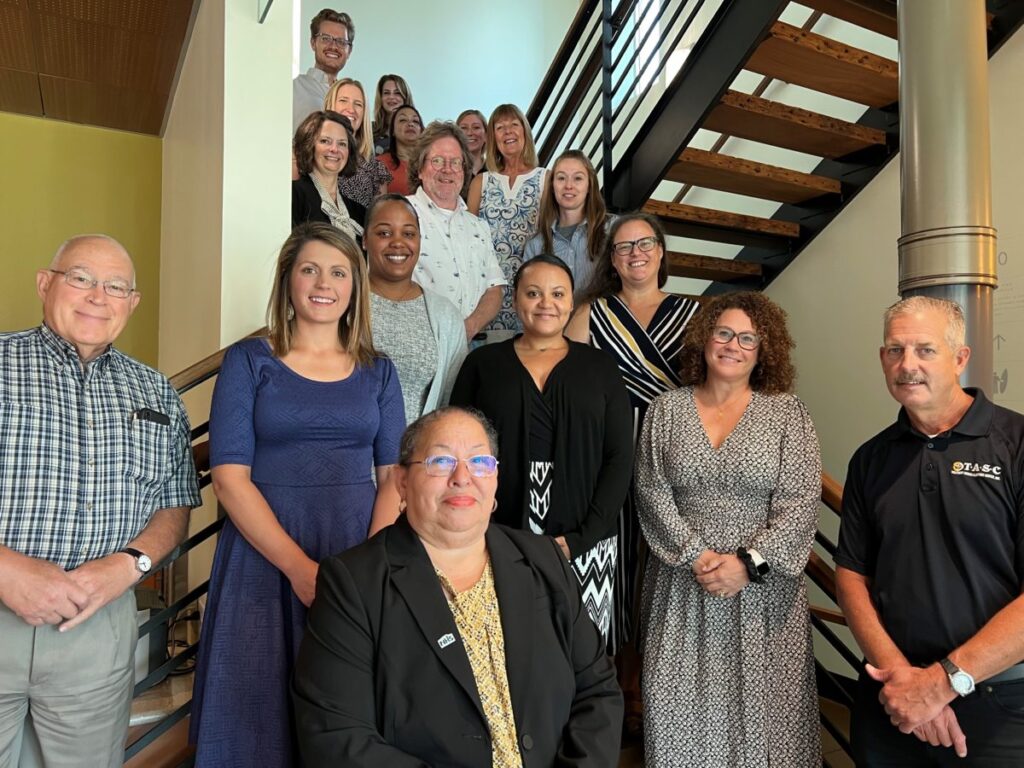
READING, PA (September 2, 2022) – The 20 members of the 2022-23 cohort for Berks County Community Foundation’s Nonprofit Management Certificate program have been selected. The executive directors and high-potential staff members begin the professional development program at the community foundation’s headquarters in Reading this week.
“The certificate program helps local nonprofit leaders improve or renew their management and leadership skills close to home,” said Kim Sheffer, lifelong learning program officer at the Community Foundation. “It combines expert instruction from faculty from The Nonprofit Center at LaSalle University with peer learning so cohort members get to know and learn from each other.”
The 2022-2023 class members:
- Ellen Albright, Director, Strategic Partnerships, Science Research Institute at Albright College
- Sam Barge, Executive and Artistic Director, Berks Youth Chorus
- Christie Botterbusch, Executive Director, New Journey Community Outreach
- English Bradley, Administrative Manager, BCTV
- Alyssa Bushkie, Director of Operations, YMCA of Reading and Berks County
- Gregory Colahan, Executive Director, Western Berks Free Medical Clinic
- Lucy Cortez, Chief Operating Officer, Neighborhood Housing Services of Greater Berks
- Lizette Epps, Director of Financial Services, O’Pake Institute
- Michael Fitzgerald, President, Lauren’s Foundation
- Krystl Gauld, Executive Director, FaithCare
- Sandy Green, Community Liaison, Kutztown Community Partnership
- Amanda Hornberger, Chief Operating Officer, Jewish Federation of Reading/Berks
- Beverly Houck, Artistic Director, Yocum Institute for Arts Education
- Ellen Martignetti, Main Street Manager, Building a Better Boyertown
- Radarra McLendon, Founder/Executive Director, The Village of Reading
- Daniel Milloy, Executive Director, Treatment Access and Services Center (TASC)
- Pamela Mills, Executive Director, Clare of Assisi House
- Alexis Pagoulatos, Chief Executive Officer, Animal Rescue League
- Jim Reece, Executive Director, Friend, Inc. Community Services
- Katie Rex, VP of Social Services, Berks Encore
The program
The program includes group lunches, nonprofit management webinars, and daylong in-person nonprofit management classes led by faculty members from The Nonprofit Center at LaSalle University.
The Community Foundation covers the majority of the cost of the program, however, each nonprofit contributes $500 for each participant. The program will next be offered in 2024, Sheffer said.
This professional development opportunity was designed exclusively for Berks County’s nonprofit executive directors and high-potential staff members. Note that Berks County Community Foundation is not an accredited educational institution, but rather a nonprofit that seeks to bring professional development opportunities to the community for local leaders.
Check out this Community Foundation spotlight video, where Kim discusses the program:
###
Berks County Community Foundation is a nonprofit corporation that serves as a civic leader for our region by developing, managing and distributing charitable funds aimed at improving the quality of life in Berks County.
READING, PA (July 12, 2022) — Berks County Community Foundation’s Nonprofit Management Certificate is back and better than ever.
This fall, join the Community Foundation and instructors from The Nonprofit Center at LaSalle University for a ten-month professional development opportunity designed exclusively for Berks County’s nonprofit executive directors and high-potential staff members.
Apply by August 9, 2022 to become part of the 2022-2023 cohort, which is limited to twenty students.
Thank you for your interest in this opportunity. The application period is now closed. This program runs every other year.
WHAT’S INCLUDED?
- Three group lunches at the Community Foundation
- Six daylong in-person nonprofit management classes led by faculty members from The Nonprofit Center at LaSalle, all held at the Community Foundation’s office in Reading, breakfast and lunch provided
- Three nonprofit management webinars led by faculty members from The Nonprofit Center at LaSalle, joined from your home or office
WHY IS THE COMMUNITY FOUNDATION DOING THIS?
Berks County Community Foundation’s Nonprofit Management Certificate program was designed to help local nonprofit leaders improve or renew their management and leadership skills close to home.
HOW MUCH DOES IT COST?
The Community Foundation’s board of directors approved a grant that covers the majority of the cost of the program. However, each organization is asked to contribute $500 for each individual who is selected to join the cohort.
HOW OFTEN WILL THE PROGRAM RUN?
The program is offered every two years.
WHO IS ELIGIBLE TO PARTICIPATE?
This professional development opportunity is designed exclusively for Berks County’s nonprofit executive directors and high-potential staff members. The cohort is capped at 20 participants. Some of the classes are meant to be attended by a board member, too. There is no additional cost for the board member to accompany the executive director or staff member to those classes.
WILL I REALLY GET A CERTIFICATE?
Yes. You will receive a certificate of completion from the Community Foundation when you finish the program in May. Note that Berks County Community Foundation is not an accredited educational institution, but rather a nonprofit that seeks to bring professional development opportunities to the community for local leaders.
WHAT’S THE SCHEDULE?
Click here for the 2022-2023 schedule. Important: Students must attend all sessions to receive the certificate.
WHERE DO I SIGN UP?
Click here to download the application form.
WHAT IF I HAVE QUESTIONS?
Call Kim Sheffer, our lifelong learning program officer, at 610.685.2223, or email kims@bccf.org.
_______________________________
THE CURRICULUM
BEST PRACTICES IN BOARD GOVERNANCE (FULL DAY, BRING A BOARD MEMBER CLASS)
Nonprofit boards have a clear and essential job to do that, when done, allows a nonprofit to meet its full potential. Sadly, though, too many individual board members, and therefore, collective boards, don’t understand fully what this job entails. It requires more than good intentions and meeting attendance. It requires understanding the objective and true roles and responsibilities of the job of board member and a willingness to do them.
This class lays out the full responsibilities of board membership, in both the context of being part of a larger whole, as well as an individual. Participants will develop a deeper understanding of key elements of board responsibility, such as the law’s performance expectations of nonprofit board members, strategic planning, income development, financial management, and the care and feeding of the board. In addition, this class will show how to maximize the all-important partnership of board and executive director. Attendees will leave knowing how to marry their good intentions with best practices, along with helpful tools to put it all into action.
CREATING SUCCESSFUL INDIVIDUAL AND MAJOR DONOR CAMPAIGNS (FULL DAY)
No nonprofit can afford to miss the opportunities that individual giving offers. If this were an infographic, you would be looking at a picture showing that year after year – even in the leanest of times – giving by individuals is always the largest source of charitable giving. In recent history, that percentage has never fallen from around 70% and has been as high as 82%. As significant as these numbers are, an individual giving program is about more than money. It’s also about broadening your circle of supporters – those people who really care about your mission and how you achieve it. That’s why individual and major donor campaigns are a perpetual cornerstone of fundraising, though the campaigns themselves must continually be updated and refreshed.
Need to know where to start an individual giving campaign? Need to refresh and renew or strengthen your current efforts? Need help with an annual appeal, a personal solicitation with a major donor, or anything in between? This class will help you develop the tools and techniques needed to create a comprehensive, coordinated fundraising program for individuals, including understanding the individual’s relationship to your organization, identifying strategies for each approach, how to be donor-focused while meeting your organization’s financial needs, and coordinating cultivation, solicitation, and stewardship activities that lead to successful campaigns.
Role-play will solidify your confidence in being able to solicit donors as an essential part of your nonprofit’s fundraising mix.
KEYS TO SUCCESSFUL STRATEGIC PLANNING (FULL DAY, BRING A BOARD MEMBER CLASS)
For some, strategic planning feels like a chore that has to be completed. But truly effective leaders know that having a solid strategic plan is the key to motivating your board, staff, volunteers, and supporters to embrace the organization’s direction and work together to move your mission forward. This class will help you understand how to make strategic planning an ongoing, integrated function of a nonprofit, ensuring that your top priorities are driving your daily decisions and operations.
This class covers traditional strategic planning techniques and touches on related models like adaptive planning, scenario planning, and strategic frameworks to give you a comprehensive overview of how to build a planning process that will work for your organization. It will provide solid information on the steps involved, from gathering stakeholder data to creating a shared vision, from framing strategic goals, objectives, and action plans to the budget. We’ll also evaluate different strategic planning tools that will help your organization gain clarity on its purpose, the people it serves, its programs, and its priorities. The course will also offer different methods for involving stakeholders and the community during the process, and tips for ensuring that your plan is actively implemented instead of winding up dusty in a drawer. Finally, we’ll discuss techniques for ensuring that your plan can stand up to unexpected changes both inside and outside your organization, making it your most adaptable tool for ensuring long-term success.
BLUEPRINTS FOR COMMUNICATIONS PLANNING AND MEDIA RELATIONS IN A DIGITAL WORLD (FULL DAY)
Does your organization suffer from the lack of a strategic, intentional approach to communication that clearly defines your messages, your audience, and the tools you will use to achieve your objectives? Do you have a plan that builds relationships and maximizes marketing efforts? Participants in this class will learn how to create a comprehensive communication plan, from assessing communication or marketing needs to designing communication strategies and tactics. A good communication plan helps build relationships with key publics, including volunteers, donors, and the media, as well as reducing potential risks, and this class will provide a thorough overview of how this is done. Recognizing that media relations is a powerful tool for nonprofits, even without financial resources, much of the class will be devoted to the essentials of media relations and how they fit into, and support, your overall marketing plan.
While the world of media has changed drastically in recent years, the fact that all media are swamped with requests for coverage remains constant and those who give the media what they want, when and how they want it, are the ones who will prevail. Working with the media offers tremendous value to organizations in conveying their messages, promoting events, and communicating with huge audiences, for minimal cost. Whether you’re sending out traditional news releases or tweeting your announcements, there are specific skills and strategies that will give you the best chances of getting coverage from both long-established media and the so-called new media. This class embraces those time-honored skills of good writing and compelling story-telling that remain constant, while recognizing the new strategies and approaches that new media demand of those who want to be successful in disseminating their organization’s message.
DEALING WITH A DIFFICULT BOARD MEMBER (WEBINAR)
Judging from the number of times we’re asked about a disruptive or otherwise problematic board member, most nonprofits have faced this obstacle. Among the frequently reported offenses are board members who promote their own agendas, who micromanage board and staff, and who fail to fulfill commitments.
Regardless of the particular behavior, one disruptive board member often becomes a serious obstacle to board productivity, effectiveness, and harmony. There are both immediate and long-term actions that can be taken to preempt these obstructions and this webinar will present proven strategies. It will also offer actions that can curtail potential problematic behavior so as to prevent erosion of morale and productivity of board and impacted staff.
This webinar is structured to allow sufficient time for participants to ask questions about their particular challenges so that all participants can learn from each other about how to address these common issues. The session can help you move toward creating a more positive environment for your organization to forestall an exodus of valuable board members and staff seeking to escape from the chaos and frustration caused by a difficult board member.
LOVE THEM OR LOSE THEM: HOW TO KEEP THE DONORS YOU HAVE (WEBINAR)
It is well known that it is harder to get a new customer than to keep a current one; and so it is with donors: it is easier to keep a donor you already have than gain a new one. And yet, nonprofits, on average, retain less than half of their donors every year, causing them to have to work harder to bring in new ones. What if you could get the “secret sauce” that would allow you to improve your retention rates, thereby keeping more of your current donors and losing fewer? This one-hour webinar will share the elements of that sauce, that truly isn’t much of a secret, but rather the basic elements of good donor cultivation, such as appreciation of the very first gift, to really effective communication, to good donor stewardship, and more. Walk away with practical tips, proven successful efforts, and more.
BOARD ORIENTATION DONE RIGHT (WEBINAR, BRING A BOARD MEMBER CLASS)
Once you have found new board members, make sure you offer an effective orientation experience that doesn’t assume that they know everything they need to about the mission, culture, background, and history of the organization. Your organization has an obligation to clearly spell out what’s expected of each board member, and also what you are committing to the relationship.
FUNDAMENTALS OF BUDGETING (1/2 DAY CLASS)
The accuracy of your organization or program’s budget is one of the key factors in an organization’s financial stability, growth, and ability to fulfill mission. Your budget is your financial plan, and the outline of how your mission and objectives will be carried out, guiding your organization’s operations and key decision-making. This essential class will demonstrate the components and qualities of an effective budget, the budgeting process, budgeting best practices, and projecting critical cash flow.
Starting with a brief overview of financial statements, you will learn how to read the story they tell and review basic financial terms and different types of financial systems. After covering core concepts, the class will address a systematic approach to constructing a budget for a program or organization.
In addition to learning how to create a budget, this class will include strategies for monitoring actual income and expenses and comparing them to the budget so that you’re able to make important management decisions in real time, and be able to project, based on reliable data. You’ll learn about how cash flow statements can be used to monitor and project potential cash shortfalls so you are able to adjust and plan accordingly. We will also cover methods of allocating shared costs and explain how to incorporate that into your budget. With a deeper understanding of all the components of your budget, including administrative and overhead expenses, you’ll be in a better position to make the case for being worthy of support from potential and current donors and other stakeholders.
THE POWER OF FINANCIAL FORECASTING FOR SUSTAINABILITY (1/2 DAY CLASS)
A strong financial management process is essential to a nonprofit’s well-being. In times of concern and uncertainty about the economy and the prospects for funding, the ability to perform accurate and timely financial forecasting becomes indispensable. Day to day challenges, such as gift restrictions, adherence to mission, fixed and variable expenses, call for the skill to accurately forecast cash flow, while being adaptable to changing conditions. The result is a stronger and more resilient organization.
This class will explore the basic inputs required to develop and evaluate financial projections for your organization. Understanding how and when resources are available to your organization will not only enable you to guide policy and programmatic decisions, but also assist you in strategically planning your organization’s growth and sustainability.
FUNDAMENTALS OF HUMAN RESOURCES (FULL DAY)
Too few nonprofits have a dedicated human resource professional on staff. Yet, the minute you have a staff member, or are even thinking of hiring your first staff member, it is imperative that someone in the organization understands the essential human resource responsibilities, regulations, and laws.
Because workplace laws guide and control much of what we must do with employees, this class covers the major workplace laws and the legal principles that govern the employment relationship. It will explore the importance of good policies and procedures in creating an effective working environment and provide an introduction to two of the most common and challenging HR responsibilities: addressing performance problems and effective guidelines for hiring the right people.
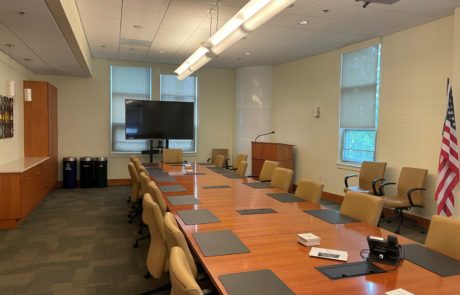
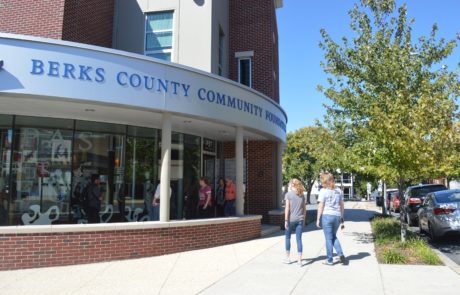
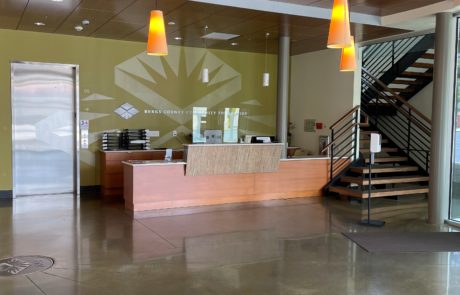
READING, PA (September 9, 2021) – Berks County Community Foundation is taking steps to better ensure the safe reopening of its Community Conference Center on Monday, October 4, 2021, including requiring COVID-19 vaccinations for Community Foundation employees.
In addition, visitors to the Conference Center are encouraged to wear masks while Berks County is in the “high” or “substantial” transmission categories. For September 1 through September 7, the Centers for Disease Control and Prevention classified Berks, and every county in Pennsylvania, as being in the high transmission category.
The Community Foundation encourages all who are eligible for vaccines to be vaccinated. Contact your healthcare provider for information.
Berks County Community Foundation will review requests for use of our Community Conference Center individually.
Nonprofit organizations can request use of the meeting space at no charge. To register as a user to book a room, call 610.685.2223. After a user registers and has been recognized as a nonprofit organization by the Community Foundation, they may use our online system (https://bccf.org/conference-center/) to book meeting spaces. There is a small fee for for-profit organizations. Contact our office for more information at info@bccf.org or 610.685.2223.



###
Berks County Community Foundation is a nonprofit corporation that serves as a civic leader for our region by developing, managing and distributing funds to meet existing and emerging community needs. More information is available at www.bccf.org.
NEWS RELEASE
Contact: Jason Brudereck, Director of Communication, 610.685.2223, jasonb@bccf.org
